En Es

03.02.2020

San Francisco, Silicon Valley and Architecture: A Journey of Learning and Transformation

Since graduating in architecture, I knew I wanted to gain experience abroad. That desire led me to the city of San Francisco, California—a stage in my life that profoundly shaped both my professional and personal development.

Arrival in San Francisco

After graduating, while working at an architectural studio in Palma, I sent my résumé to several firms in San Francisco. I managed to arrange ten interviews and traveled to the city for three weeks to attend them. The energy of the place exceeded my expectations.

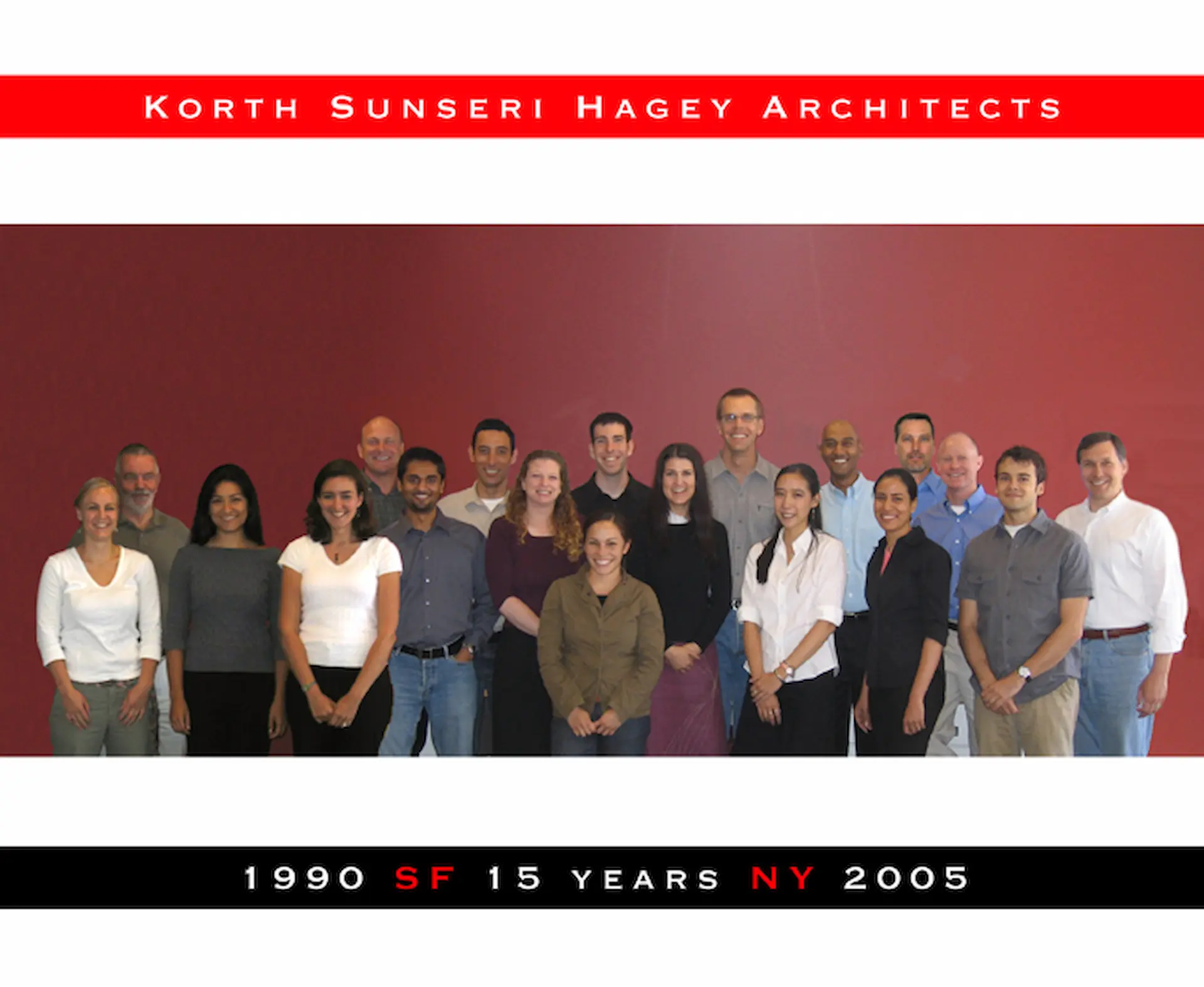
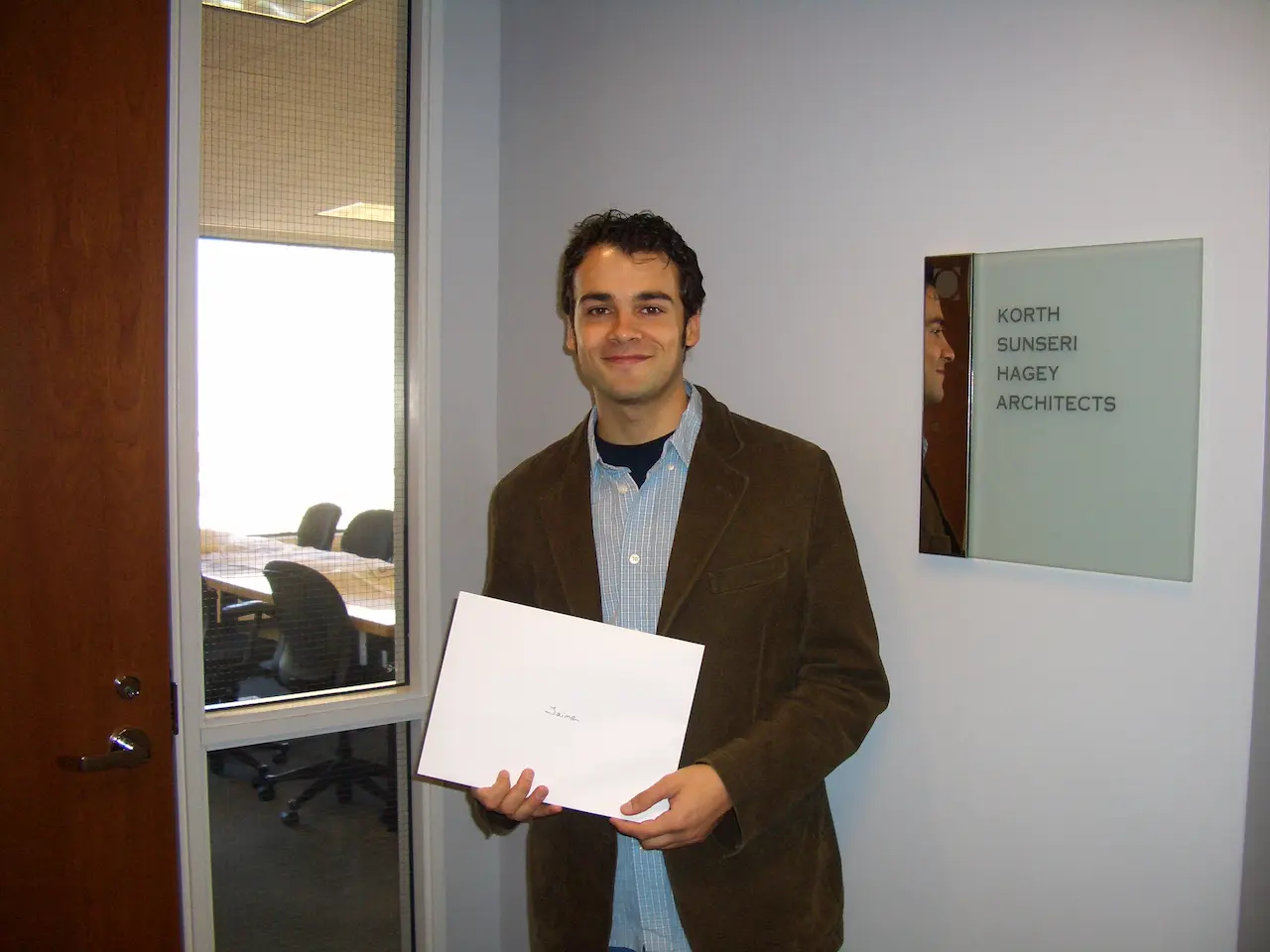
Eventually, one firm offered me a position, Korth Sunseri Hagey Architectswhich marked the beginning of the visa process, a procedure that took about eight months. In the meantime, I continued working in Palma until I was finally able to relocate.

From my very first day in San Francisco, I was surprised by the level of trust placed in young architects. I participated in client meetings, design decisions, and project management, something that was quite unusual in Spain at that time. For them, age or experience was not a limitation, but rather an opportunity to bring fresh ideas.


Although the United States is not generally considered a global reference in architecture from a design perspective, European training was highly respected at the time. In 2006, the MoMA in New York organized an exhibition on Spanish architecture, further strengthening its international prestige. This meant that my background and experience were particularly valued, especially in matters related to architecture and design.


Design has always been a priority for me, and in San Francisco I realized that my focus on this aspect added value, as it was not always a central element in many local studios.

In addition, I learned a great deal about organization and productivity. The work culture in the United States encourages efficiency and responsibility from the very beginning, which helped me better understand how to optimize processes and lead projects with greater autonomy. Architectural firms there tend to have clear structures, with team leaders and well-defined processes. In Spain, many studios at the time were led by architects without formal training in business management.


I also broadened my perspective by working with different construction systems and measurement scales. Having been accustomed to the metric system, I had to adapt to the use of feet and inches, which taught me to keep a more open mind, avoid taking things for granted, and adapt to different approaches.


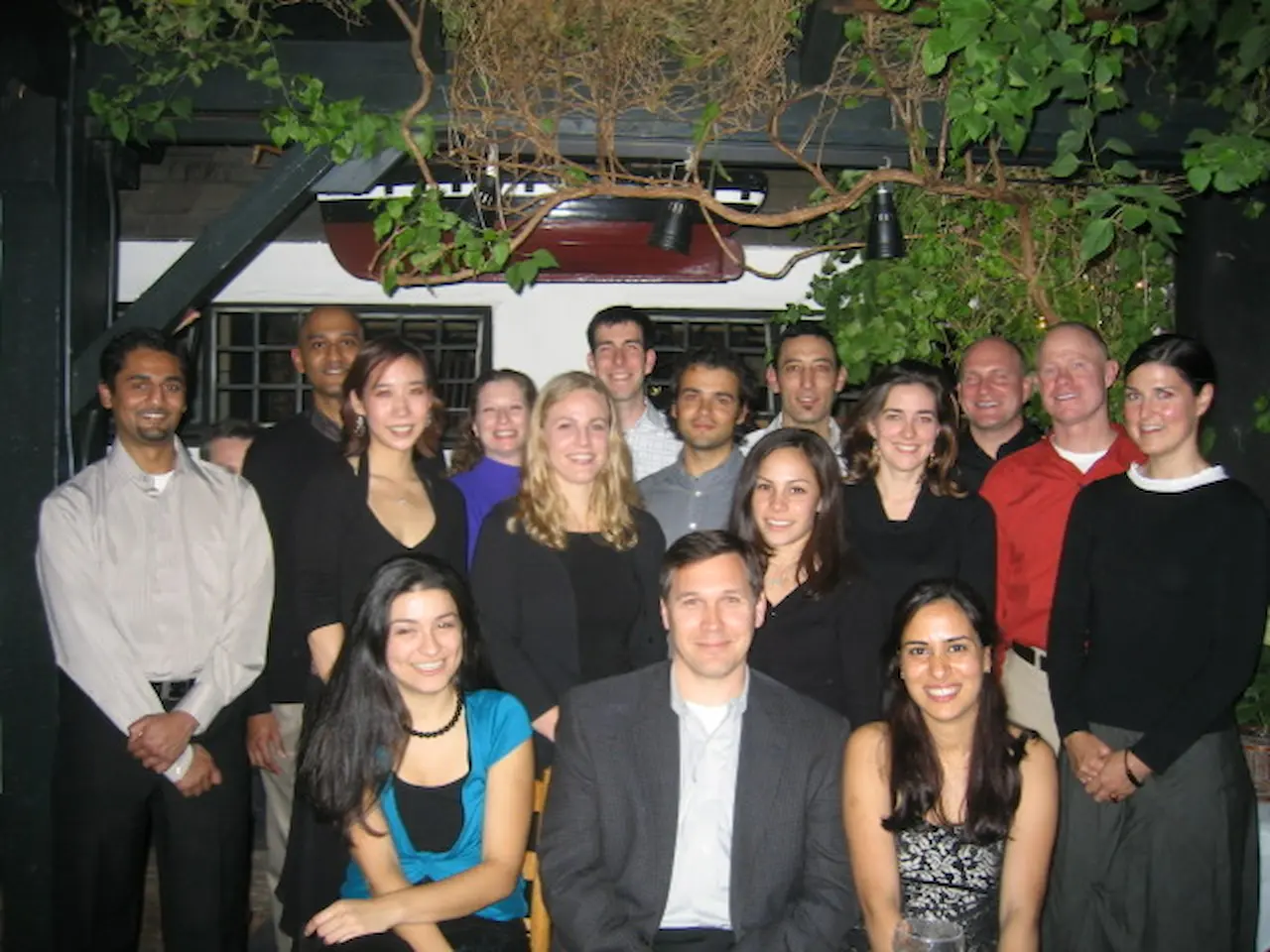
The working environment in my San Francisco studio was characterized by a positive and motivating atmosphere. The continuous workday encouraged daily interaction within the team, strengthening relationships and fostering a sense of community. Group activities such as surfing, skiing, and social events promoted cohesion and well-being, which in turn translated into higher productivity and better project outcomes.


Through this experience, I learned the importance of a healthy work environment and how it directly influences the quality of the work. This perspective later became essential when forming my own teams.


El ambiente de trabajo en mi estudio en San Francisco se caracterizaba por un enfoque positivo y motivador. La jornada continua facilitaba la convivencia diaria del equipo, fortaleciendo las relaciones y el sentido de comunidad. Las actividades en grupo, como surf, esquí y eventos sociales, promovían la cohesión y el bienestar, lo que se traducía en mayor productividad y mejores resultados en los proyectos.  Aprendí la importancia de un buen ambiente laboral y cómo este influye directamente en la calidad del trabajo. Esta visión fue clave para formar mis propios equipos en el futuro
Silicon Valley en 2005-2006

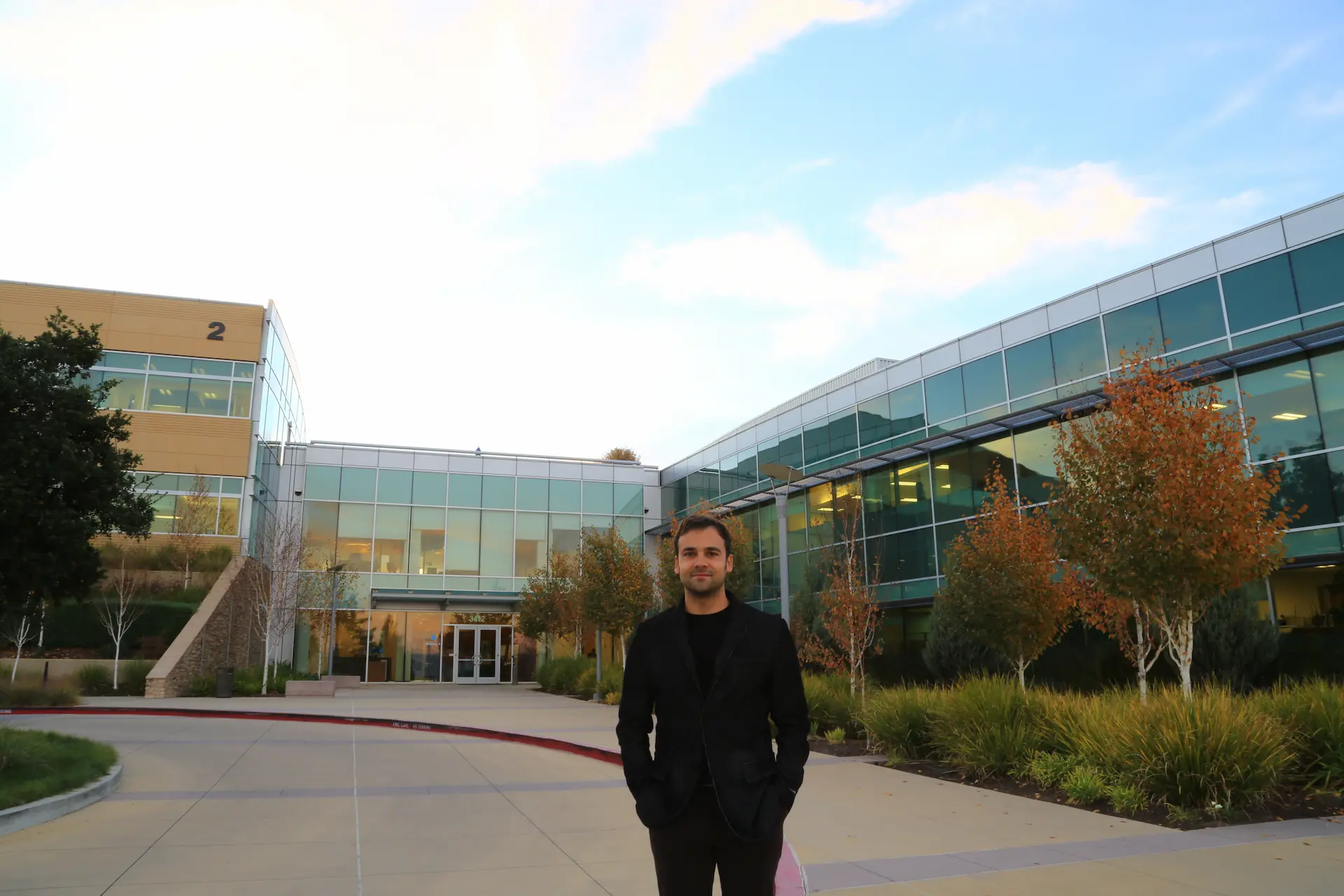
I arrived in San Francisco at the height of the Silicon Valley boom. Companies like Google were expanding, Facebook was just beginning to take off, and Apple was preparing to launch the iPhone. The city had a distinctly innovative and optimistic atmosphere.


I was involved in significant projects, such as the SAP headquarters on Hillview Avenue, which gave me the opportunity to attend meetings in the heart of Silicon Valley.


I also worked on the renovation of George Lucas’s house in San Rafael, interpreting sketches drawn by Lucas himself. In addition, the studio had clients such as Oracle and was developing highly interesting projects. The firm also worked on hotel and residential developments, which allowed me to broaden my experience across different types of buildings.

Returning to Spain and Starting My Own Studio

All of this experience played a key role in my decision to start my own practice. I returned to Spain at the age of 26 and opened my own studio. Without that period in the United States, I might not have taken that step so early.


Applying a more structured and international mindset allowed me to grow and improve. The culture of hard work and entrepreneurship that I absorbed in the United States was fundamental in helping me overcome the first years, especially considering that I was young, had little experience, and soon faced the economic crisis of 2010. Without the energy and determination I gained in San Francisco, I would hardly have faced those years in the same way.

In addition, working in English opened many doors for me. Today, 80% of my clients are international, and English is my main language in the professional sphere. This skill has been essential to the growth and internationalization of my studio.


Not everything in the United States was better, but I learned to balance creativity with efficiency and to apply the values of perseverance and determination that characterize the well-known American Dream. These values have been key to my professional development and to the way I manage my studio today.


For me, San Francisco was a school of life and the driving force behind my professional career.